Pipe Repair & Replacement
Corroded, cracked or root-invaded sewer and water pipes fixed with trenchless and traditional methods — built to last, tested before we leave.
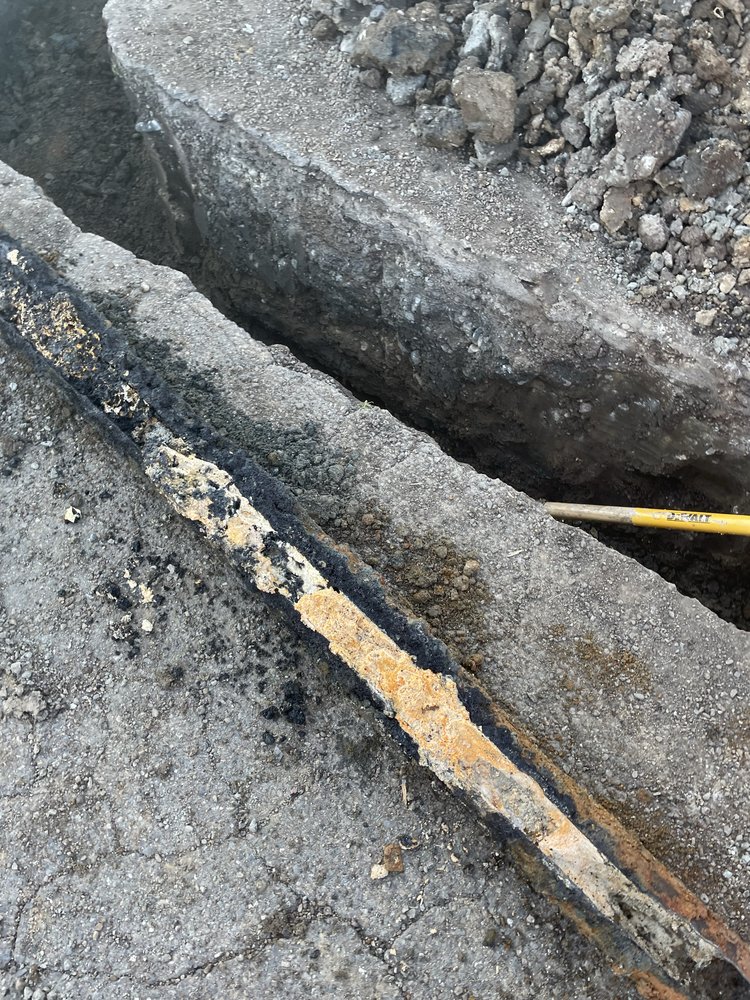
Signs Your Pipes Need Attention
Aging cast-iron, galvanized steel and clay pipes corrode and crack over time — often silently, underground, until a slow leak becomes a collapsed line. If you're seeing any of the warning signs below, it's time for a professional camera inspection.
- Slow-draining sinks, tubs or toilets throughout the home
- Rust-colored or discolored water, especially on first use
- Soggy patches, sinkholes or unusually green grass in the yard
- Sewage odor near drains or in the yard
- Unexplained spikes in your water bill
Trenchless & Traditional Repair Options
We always start with a camera inspection to see exactly what's happening inside the line before recommending a fix. Depending on the pipe material, age and extent of damage, that might mean:
- Trenchless pipe lining — a new epoxy liner cured in place inside the existing pipe, avoiding excavation entirely.
- Pipe bursting — a new pipe is pulled through while fracturing the old one outward, ideal for full-length replacement with minimal digging.
- Spot repair — excavating and replacing just the damaged section, our most common fix for isolated corrosion.
- Full replacement — for extensively corroded systems, we re-run new PVC or copper piping to current code.
Our Repair Process
Every pipe repair follows the same standard: camera diagnosis, a flat-rate written quote, the repair itself, a post-repair pressure or flow test, and full cleanup — with photos of the finished work so you can see exactly what's now underground.
Pipe Repair Questions, Answered
Get a Free Pipe Repair Quote
Camera inspection, flat-rate pricing, no surprises.